

Biblical Food Recipes
Food has played a meaningful role in the Bible, symbolizing hospitality, survival, community, and faith. Many of the ingredients mentioned in Scripture honey, fish, olives, figs, grains, herbs, and lentils remain staples in Mediterranean cooking today. Re-creating biblical food recipes brings history to life, letting you experience the flavors of ancient Israel just as they were enjoyed thousands of years ago.
Whether you’re exploring these dishes out of curiosity, spiritual interest, or a love for simple whole-food cooking, these recipes are nourishing, rustic, and surprisingly easy to prepare. Each one is inspired directly by foods mentioned throughout the Old and New Testament.
Below you’ll find five biblical food recipes you can prepare at home, using ingredients and methods rooted in tradition but accessible to modern kitchens.
1. Unleavened Bread (Matzah)

Inspired by Exodus 12:8
Unleavened bread was one of the simplest and most essential foods in biblical times. Made with only flour, water, and salt, it represents humility and dependence on God. The Israelites baked it in haste during the Exodus, and it remains symbolic in Jewish and Christian traditions today.
Ingredients
- 2 cups whole wheat or all-purpose flour
- ½ tsp salt
- ¾ cup water (more if needed)
- 2 tbsp olive oil (optional for softer bread)
Instructions
- Preheat oven to 475°F (245°C).
- Mix flour and salt, then add water gradually until a soft dough forms.
- Knead briefly, then divide into 6–8 balls.
- Roll each piece into a thin round or oval.
- Place on a baking sheet and bake 4–5 minutes, until lightly browned.
Taste & texture
Crisp edges, chewy center, lightly nutty flavor simple and perfect for dipping.
Serving idea
Serve with olive oil, honey, or lentils for a complete biblical-style meal.
2. Esau’s Red Lentil Stew
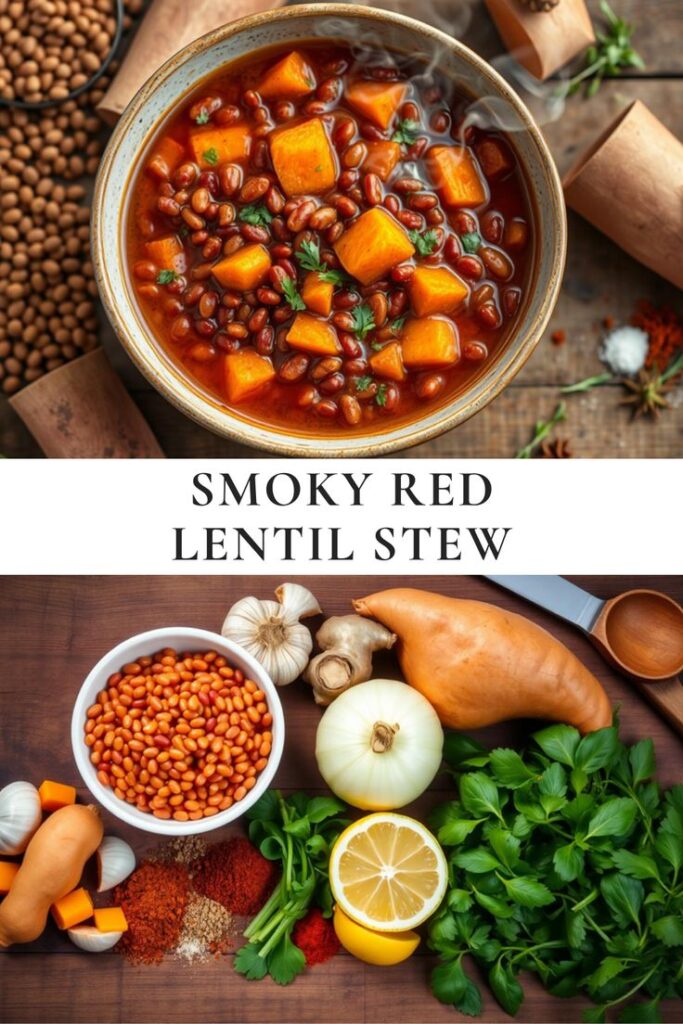
Inspired by Genesis 25:29–34
This comforting stew is connected to one of the most famous food stories in the Bible. Jacob cooked a fragrant red lentil stew so good that Esau traded his birthright for a bowl.
Ingredients
- 1 ½ cups red lentils
- 1 chopped onion
- 3 cloves garlic
- 2 tbsp olive oil
- 1 tsp cumin
- 1 tsp coriander
- 1 tsp paprika
- Salt & pepper
- 4 cups vegetable or chicken broth
Instructions
- Sauté onion and garlic in olive oil until softened.
- Add lentils, broth, and spices.
- Simmer 20–25 minutes, stirring occasionally.
- Serve thick, warm, and rustic.
Why it’s biblical
Lentils were a staple crop in ancient hearty, cheap, and filling.
This stew pairs wonderfully with our soft breads like Johnny Cakes from our Belizean collection if you want modern comfort with ancient origins!
3. Roasted Fish With Herbs
Inspired by John 21:9–13
After His resurrection, Jesus cooked fish over a fire on the shore of Galilee. Fish was a central protein source for Israelites, especially in Galilee where the disciples lived.
Ingredients
- 2 whole fish (tilapia is historically accurate to the region)
- 3 tbsp olive oil
- 1 lemon
- 1 tbsp fresh thyme or oregano
- 4 garlic cloves
- Salt and pepper
Instructions
- Preheat oven to 400°F (205°C) or grill over open flame.
- Rub fish inside and out with olive oil, herbs, garlic, salt, and pepper.
- Fill cavity with lemon slices.
- Roast 20 minutes until tender and flaky.
Why it’s biblical
Tilapia is known as “St. Peter’s fish” and is native to the Sea of Galilee.
For more smoked or grilled inspiration, check out our Electric Smoker Recipes.
4. Honey Cakes (Biblical-Style Dessert)
Inspired by Exodus 16:31 and 1 Samuel 14:25–29
Honey appears repeatedly in the Bible, often as a symbol of abundance (“a land flowing with milk and honey”). While cakes then were simpler than modern cakes, these honey cakes mimic the lightly sweet, spiced treats that Israelites may have eaten during festivals.
Ingredients
- 2 cups whole wheat flour
- ½ cup honey
- ¼ cup olive oil
- 1 egg
- ½ tsp cinnamon
- ½ tsp cardamom
- ½ cup milk or water
- Pinch of salt
Instructions
- Preheat oven to 350°F (175°C).
- Mix flour, spices, and salt.
- Combine honey, oil, milk, and egg.
- Mix wet and dry ingredients into a thick batter.
- Spoon into a greased pan and bake 18–20 minutes.
What they taste like
Soft, naturally sweet, warm with spice simple but deeply satisfying.
If you enjoy heritage-style bakes, you may also love our Bread Stuffing Balls 1940s Recipe, which has a similarly nostalgic feel.
5. Barley & Herb Porridge
Inspired by Ruth 2:14 and Judges 7:13
Barley was one of the earliest domesticated grains and is mentioned frequently in Scripture. It was cheaper than wheat and grew easily, making it a common food among ordinary people.
Ingredients
- 1 cup barley
- 3 cups water or milk
- 1 tbsp honey
- 1 tbsp olive oil
- Pinch of cinnamon
- Pinch of salt
- Fresh herbs like mint or thyme (optional)
Instructions
- Rinse barley and boil in water or milk.
- Simmer 35–40 minutes until soft.
- Stir in honey, olive oil, herbs, and cinnamon.
- Serve warm as breakfast or a side dish.
Meal Ideas Inspired by the Bible
Here are some biblical-style meals you can recreate:
1. Breakfast
- Barley porridge with honey
- Fresh figs or dates
- A cup of warm goat milk
2. Lunch
- Unleavened bread with herbs
- Roasted fish
- Olives and cucumbers
3. Dinner
- Lentil stew
- Rice or barley
- Honey cakes for dessert
For even more whole-food ideas, explore our GAPS Cream Cheese Dessert Recipe, which uses simple, natural ingredients similar to ancient diets.
Frequently Asked Questions
1. Are these recipes historically accurate?
Yes while modernized for convenience, the ingredients and methods match what ancient Israelites used.
2. Did biblical people eat meat often?
Meat was eaten but not daily. Fish, lentils, bread, and honey were more common.
3. What about wine?
Wine was a staple drink, diluted with water for everyday use.
4. Are biblical recipes healthy?
Very! They focus on whole grains, clean proteins, natural sweeteners, and herbs.
Final Thoughts
Exploring biblical food recipes brings Scripture to life in a tangible, delicious way. These dishes connect you to traditions thousands of years old built on simplicity, nourishment, and gratitude. Whether you want a spiritual cooking experience or simply love ancient cuisine, these recipes offer flavor, history, and meaning in every bite.
For more heritage-style, traditional, and international recipes, visit FatRecipe.com, where we celebrate timeless flavors from every culture.